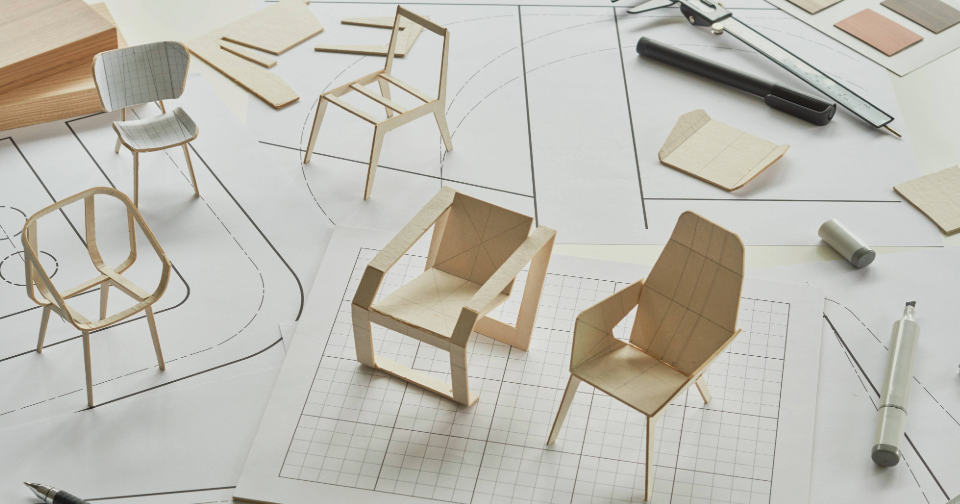
Design protection is not merely concerned with appearance; it is a legal mechanism for preserving the distinctive visual characteristics that define a product’s identity.
In many sectors, features such as shape, configuration, pattern and ornamentation carry significant commercial value and can influence consumer choice as strongly as technical performance.
Securing design rights requires careful navigation of complex statutory frameworks, variations in national and regional law and strategic decisions regarding scope and timing. Each element, from a subtle contour to a unique surface treatment, can also be determinative in establishing registrability and enforceability. Effective protection ensures that these design elements remain exclusive, mitigating the risk of imitation and safeguarding competitive advantage.





.png)
-2.png)
.png)